Comparing safari quotes can feel baffling: two lodges in the same reserve, seemingly similar in style, can differ by hundreds of dollars a night, and it is rarely obvious why. The answer usually lies in what the rate actually covers. A full board safari lodge stay is one of the most common pricing structures in Africa, yet many travelers book it without knowing whether game drives, drinks, park fees or laundry are included. That confusion leads to unpleasant surprises at checkout or, worse, a lodge that does not suit how you want to travel.
This guide breaks it all down. We explain what full board actually means at a safari lodge, which activities like the two daily game drives most rates include, and what is usually left out, from premium drinks to conservation fees of roughly $30-$100 per person per day. We then look at typical costs, which range from about $350 to $1,200 per person per night in mid-range to luxury camps, how season and tier affect pricing, when to book for the best value, and how full board compares with all-inclusive and self-catering options.
What Full Board Actually Means at a Safari Lodge
At a safari lodge, full board means your accommodation plus three meals a day: breakfast, lunch and dinner. Breakfast is often a buffet with an option to order eggs to your liking, lunch tends to be a lighter buffet or set plate, and dinner is usually a plated, multi-course meal served in the dining area or, on special nights, out under the stars around the boma fire.
Most lodges also include afternoon tea with cakes and pastries before the late afternoon drive, and pre-dinner snacks when you return. These small touches are standard at the majority of full board camps, so you should not see them itemized on your bill.
Full board is not all-inclusive
This is the point that catches the most travelers out. Full board covers your room and meals, but drinks are frequently billed separately, especially premium wines, spirits and champagne. Laundry, spa treatments and certain extras may also appear on your final account. True all-inclusive camps bundle these in; full board lodges often do not. Ask the lodge or your agent exactly which drinks are included before you arrive, so there are no surprises at checkout.
Per person sharing or per room?
Always check how the rate is quoted. Most safari lodges price per person sharing, which assumes two adults in a room. A solo traveler booking the same room may pay a single supplement, while a family of four will be quoted per person as well. With nightly rates in the mid-range to luxury bracket often running into four figures for a couple, the difference between a per-person and per-room quote can change your total dramatically. Confirm the basis of the quote in writing before you commit.
One more tip: ask whether meals are served at set times or flexibly around game drives. Some camps plate dinner at a fixed hour after the evening drive returns, while others keep the kitchen open later for guests who linger at the fire. If you have dietary requirements, tell the lodge when booking. Remote kitchens plan provisions ahead, and most are happy to cater for vegetarian, vegan or gluten-free needs with a little notice.
Game Drives and Activities Included in the Rate
Game drives are the heart of any full board safari stay, and nearly every lodge includes two shared drives per day in its rate. The first leaves at dawn, when predators are still active and the light is best for photography. The second heads out in the late afternoon and often stretches into a sundowner stop before returning after dark.
Guided bush walks are a common inclusion at lodges sitting inside private concessions, where armed walking guides can take guests out on foot between drives. Inside national parks, walking is typically restricted or heavily regulated, so lodges there rarely offer it as part of the package.
Night drives follow the same pattern. Because most national parks close their gates at sunset, after-dark game viewing is only possible on private land. If your lodge sits in a concession, ask whether the night drive is complimentary or carries a surcharge before you book.
Shared vehicle seats are the standard setup, usually with a window seat for each guest and a driver-guide. Travelers who want more control over routing, timing and photography angles can book a private vehicle, typically for around $250-$450 per day extra. For couples or small groups who value exclusivity, it may help to look at options covered in safari villas that combine wildlife proximity with deep personal comfort.
- Dawn drives start before breakfast at most lodges, with coffee and a light snack served before departure and a full breakfast waiting when you return.
- Late afternoon drives often include a sundowner, a drinks stop at a scenic spot as the sun sets, before the vehicle continues with a spotlight where rules allow.
- Walks depend on qualified armed guides being on staff, so a concession lodge may advertise walking safaris while a neighboring park-based lodge cannot offer them at all.
- Night drives reveal different wildlife, including nocturnal species such as leopards on the move, genets and bushbabies that stay hidden during daylight hours.
- Private vehicle availability is limited, so request one at the time of booking rather than on arrival, especially during peak travel months.
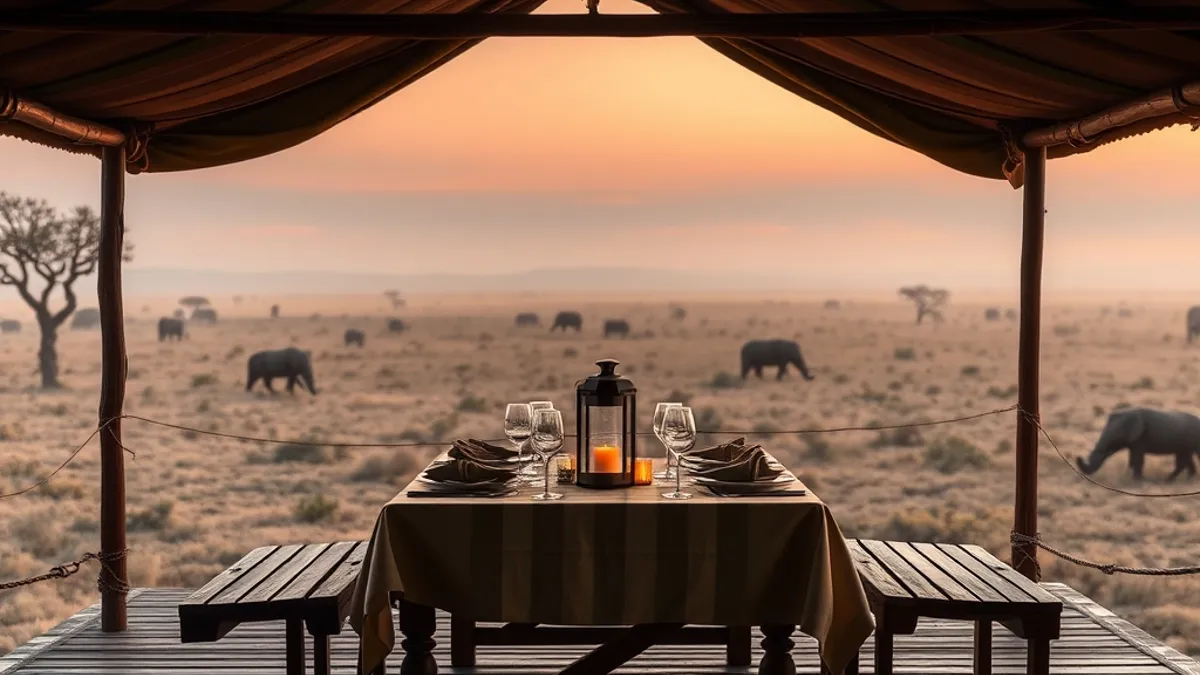
What Is Usually Not Included
The quoted nightly rate is rarely the final number on your bill. The most common surprise is park, conservation and community fees, which many lodges add on top of the room rate rather than inside it. These typically run around $30-$100 per person per day depending on the reserve or private concession, and they can quietly add several hundred dollars to a week-long stay for a couple.
Drinks are the other gray area. At most lodges, premium wines, imported spirits and champagne sit on a separate bar tab, while house wines and local beers may or may not be included depending on the property. Ask before you toast your first sunset, because a few rounds of Kenyan premium lager or South African sparkling wine can add up faster than you expect.
Then there are the services and experiences that almost always carry their own price tag. Use this list to spot the usual extras before they appear on your checkout invoice:
- Laundry: hand-wash or same-day laundry service is billed per item at most lodges, and a week of safari clothing adds up quickly.
- Spa treatments: massages and wellness treatments at in-camp spas are charged at resort-style prices, often more than you would pay at home.
- Gratuities: tips for guides, trackers and camp staff are expected and usually left in a communal tip box or added to your final bill.
- Helicopter and hot air balloon excursions: scenic flights and dawn balloon safaris are booked as separate add-ons and are among the priciest extras of any safari.
- Internal light-aircraft transfers: hops between lodges on small bush planes are priced separately, often $150-$400 per leg, and are usually arranged through your operator rather than the lodge itself.
When comparing quotes, ask each operator to itemize these extras in writing. Two lodges with similar nightly rates can end up hundreds of dollars apart once fees, transfers and drinks are accounted for.
Full Board Safari Lodge Costs by Season and Tier
Full board safari lodge pricing moves with the seasons more than almost any other travel cost. Rates swing widely between peak and low season, and the same camp can feel like two different purchases depending on when you visit. At the very top of the market, ultra-luxury private concession lodges can exceed $1,500 per person per night during peak weeks, especially in exclusive wildlife areas where vehicle numbers are strictly limited.
Peak season windows to plan around
Peak pricing follows the wildlife. In East Africa, expect the highest rates from June to October, when the Great Migration draws crowds to the Serengeti and Masai Mara. Southern Africa peaks from May to September, when the dry winter thins the vegetation and animals gather at water sources. If your dates fall in these windows, book well ahead and expect to pay top rates for the best-located camps.
Why the green season is worth a look
From November to March, rates often drop 30-40% below peak pricing. This is the so-called green season, when dramatic afternoon storms, lush landscapes and newborn animals transform the bush. Birding is at its best, with migratory species arriving in huge numbers. Game viewing can require a little more patience because thicker vegetation hides animals and water is plentiful, but many travelers find the combination of lower rates, fewer vehicles and beautiful light a fair trade. For a closer look at one green season standout, see this guide to Nacreline resorts in Botswana for safari serenity and tailored comfort, which covers private concessions at their most atmospheric.
One practical tip: green season pricing varies widely by property, and some high-end camps barely discount at all. Always compare quotes for your exact dates rather than assuming the advertised percentage applies across the board.
How and When to Book for the Best Value
Timing matters almost as much as the lodge you choose. The same room, with the same meals and drives, can cost noticeably more or less depending on when you confirm your booking and how long you stay. Safari lodges manage demand differently from city hotels: a small camp with eight rooms will fill its best-value units many months in advance, while the same camp may quietly discount nights in quieter months. Knowing these patterns, and acting on them, is one of the simplest ways to bring down the total cost of a full board safari without compromising on quality.
- Book 9-12 months ahead for peak season. The best-value rooms at popular lodges sell out first, so travelers aiming for the June to October window in East Africa or May to September in southern Africa should reserve early to avoid paying top dollar for whatever remains.
- Use a shorter lead time for green season. Stays between November and March can often be booked 3-6 months out, and lodges regularly run discount offers during these months since rates already sit well below peak pricing.
- Ask about long-stay deals. Offers such as pay 4 stay 5, or discounts of 20-30% on third and fourth nights, are common in shoulder months. If your dates are flexible, shifting a night or two can unlock real savings.
- Compare quotes like for like. Before choosing the cheapest option, confirm whether park and conservation fees, drinks, and transfers are inside or outside each rate. A quote that looks lower may simply exclude more.
One final habit worth adopting: put every quote side by side in a simple spreadsheet, listing what is included and what will be billed on site. Once fees and drinks are accounted for, the “cheaper” lodge sometimes turns out to be the pricier one. Taking an extra day to compare properly is often the easiest money you will save on the whole trip.
It also pays to be honest about your own flexibility before you start emailing lodges or operators. If you can travel midweek, avoid school holidays, or shift your trip by a fortnight to catch the edge of a season, you give yourself far more negotiating room than someone locked into fixed dates. Solo travelers and small groups should also ask whether a lodge has last-minute availability, as camps dislike leaving rooms empty and will sometimes offer reduced rates close to arrival. None of these tactics is guaranteed, but each one costs you nothing to try, and on a stay of several nights the savings can add up to the price of an extra game drive or a memorable sundowner or two.
Choosing Between Full Board, All-Inclusive and Self-Catering
Full board is the sweet spot for many safari travelers: meals and the twice-daily game drives are handled by the lodge, but you keep flexibility on drinks, laundry and extras. If you enjoy choosing a bottle of wine yourself or skipping drinks at lunch, you avoid paying for an all-inclusive package you won’t fully use. It also makes comparing lodges easier, since the core rate covers the essentials everywhere.
True all-inclusive camps go further, bundling premium drinks, laundry and often other extras into one rate. They suit guests who want zero on-site billing and no surprises on the final folio. The trade-off is a higher headline price, so the question is whether you would actually consume enough of what’s included to justify it. Heavy drinkers and families with lots of laundry often come out ahead; light drinkers rarely do.
When self-catering makes sense
Villas and self-catering bases near the parks cost noticeably less per night, but you take on the work yourself: arranging your own game drives or vehicle, sourcing food, and handling park permits and conservation fees directly. This can suit independent travelers with their own 4×4 or returning visitors who know an area well. For a first safari, the logistics usually outweigh the savings.
Families should look closely at full board lodges with children’s rates. Many lodges price children under 12 at typically 50-70% of the adult rate, and some family rooms or tents take two adults and two kids without a second booking. Combined with meals and drives already covered, this often makes a full board lodge the cheapest realistic option for a family, even when a bare villa rate looks lower at first glance.
Planning Your Full Board Safari Lodge Stay
A full board rate bundles your accommodation, all meals and two daily game drives with guiding, so the quote you see covers most of what actually happens on the ground. The main extras to budget for are park and conservation fees, drinks beyond house options, and any light-aircraft transfers between camps. That explains why two quotes for the same destination can look so different: one may include the fees and drinks, the other bills them on top.
For budgeting purposes, a mid-range to luxury camp will typically cost you anywhere from about $350 to $1,200 per person per night, with green season offering the deepest discounts. For peak season, booking 9-12 months ahead secures the best-value rooms, while 3-6 months works fine for green season trips. The single best habit when comparing lodges is to check exactly what each quote includes, line by line, so you are judging real cost rather than headline price. If this helped you plan your safari, leave a comment or share the article with a fellow traveler.