Deciding where to stay near Kruger is trickier than it looks. The park stretches roughly 350 km north to south, so picking the wrong gate area can add 3-4 hours of driving to your trip — and eat into the early morning and late afternoon hours when wildlife is most active. This guide breaks down the main gate areas so you can match one to your trip style, whether that’s Big Five sightings, better value, or genuine solitude.
We’ll compare southern gate areas like Malelane, Numbi and Skukuza for a Big Five focus, central options around Orpen and Hoedspruit for balance and value, and the quieter northern gates near Phalaborwa and Punda Maria. We’ll also look at private concessions with open fences to Kruger, how gate choice fits with season and budget, and how to pull it all together into a final decision. Check current lodge rates and park fees before you book, as these change from year to year.
Why the Gate You Choose Shapes Your Whole Kruger Safari
Here’s something first-time Kruger planners often underestimate: the park stretches roughly 350 km from north to south. A lodge near Phalaborwa Gate and one near Malelane are essentially a full day apart by road. Pick the wrong end and you could spend hours of your safari driving between your bed and the wildlife you came for, rather than actually watching it.
Gate Position Decides Your Animal Sightings
Each gate area opens onto a different slice of the ecosystem, and the wildlife differs accordingly. The southern section holds the park’s densest game concentrations, so gates on that side suit travelers whose priority is the Big Five, ideally with shorter drives between sightings. Head north and the equation flips: roads are quieter, the landscapes change, and the birdlife becomes the main draw rather than predator density. Neither choice is wrong, but they deliver very different safaris, and your gate is the decision that sets it all in motion.
Don’t Forget the Airport Question
Your gate choice also locks in your airport. Depending on which side of the park you book, you’ll likely fly into Skukuza, Hoedspruit or Nelspruit/Mbombela, and those options change transfer times dramatically. A lodge a short hop from its nearest airport can have you sipping coffee on the deck within an hour of landing, while a mismatched gate-and-flight combo can add half a day of road travel to each end of your trip. Before you fall in love with a lodge, check which airport serves it and what the road transfer looks like. It’s often the detail that makes or breaks the itinerary.
Southern Gate Areas: Malelane, Numbi and Skukuza for Big Five Focus
The southern gate areas are where Kruger’s reputation for Big Five action was built. The game is densest here, especially along the Sabie and Crocodile rivers, where permanent water keeps lions, leopards, elephants and buffalo within reach year-round. If your priority is ticking off all five in a few days, this is the part of the park where you have the best odds.
That reliability comes at a price. Lodges near Skukuza typically cost 1.5-2.5x what you would pay near quieter gates like Phalaborwa or Orpen, largely because the drive to prime sightings is so short. You are paying for proximity, not just comfort, and many travelers find the trade-off worthwhile on a first safari.
Getting There and Who It Suits
Numbi and Malelane are the practical choices for anyone flying into Nelspruit/Mbombela, which sits close enough to make transfers painless. Self-drivers coming from Johannesburg should allow around 4.5-5.5 hours to reach these southern gates, making a weekend or short-stay safari realistic without a domestic flight.
The main trade-off is company. Southern roads are the busiest in the park, and shared sightings are common, particularly from July through October when dry conditions concentrate animals and visitors alike. If you would rather watch a leopard with three cars than twenty, weigh that against the sheer density of game here. For many travelers, especially first-timers, the volume of sightings more than makes up for the traffic.
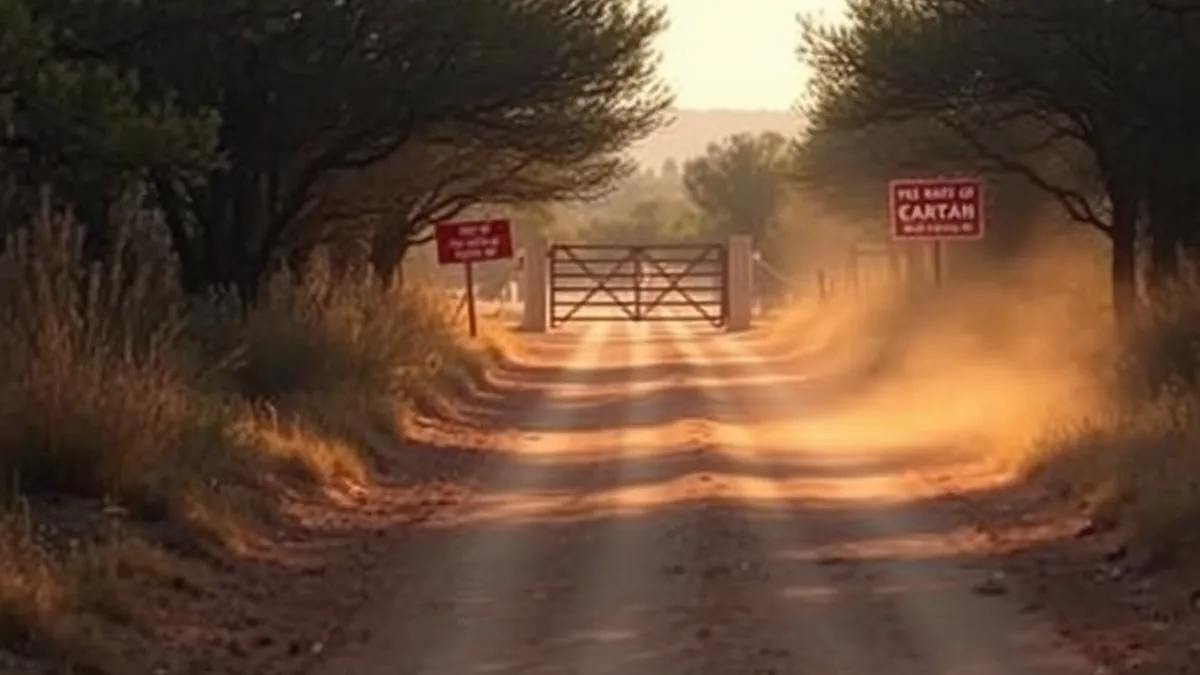
Central Gate Areas: Orpen and Hoedspruit for Balance and Value
Orpen Gate sits roughly midway up Kruger’s map, and that position is its biggest selling point. Game density here is strong, especially around the open savanna toward Satara, yet you’ll share sightings with far fewer vehicles than on the southern loops. Lions, cheetahs and large herds of general plains game are all realistic on a morning drive, without the convoy atmosphere that can develop further south.
Just outside the park, Hoedspruit functions as the region’s logistics hub. The town has its own airport with daily connections, plus supermarkets, fuel, pharmacies and a good spread of restaurants, which makes stocking up or handling a problem refreshingly easy. It sits about 1-1.5 hours’ drive from the central gates, and private reserves such as those in the Timbavati area border the park nearby if you want an occasional splurge night.
Why the pricing works in your favor
Lodges on the Orpen and Hoedspruit side typically cost noticeably less than Skukuza-area properties, which often charge 1.5-2.5x more for their proximity to the busiest southern game zones. What you give up in drive time you gain in road space: the Satara loop reliably delivers predator sightings, and the Rabelais Dam loop near Orpen itself is a favorite for cheetah and lion activity in the dry months.
This gate area is the best fit for first-timers who want genuine value without sacrificing wildlife quality. You get dependable game viewing, manageable drive distances, and a well-equipped town within reach. If you’d prefer a more private, villa-style base rather than a traditional lodge, have a look at safari villas that combine wildlife proximity with deep personal comfort as an alternative worth considering.
Northern and Far-Northern Gates: Phalaborwa, Punda Maria and Solitude
If your priority is peace and quiet rather than packed sightings, the gates at the top of Kruger deserve a serious look. Lodges around Phalaborwa Gate cost noticeably less than their southern counterparts — Skukuza-area properties typically run 1.5-2.5x the rates you’ll pay here — and the difference in traffic is just as striking. On many northern loops you can drive an hour without passing another vehicle, something almost unthinkable near the Sabie River.
What the north lacks in Big Five density it makes up for in scenery and birdlife. The Punda Maria and Pafuri areas are the park’s standout regions for birders, with species you simply won’t find further south. The landscape is part of the appeal too: groves of fever trees along the Luvuvhu River, and some of Kruger’s most impressive baobabs. Elephant, buffalo and general game are still present, but sightings are spread out rather than clustered.
The trade-off: long drives between sightings
Distances up here are real. Because animals are thinner on the ground, the gaps between good sightings are longer, and self-drivers should budget full days to explore properly. That’s why we recommend stays of 4-6 nights in this region — anything shorter and you’ll spend a large share of your time simply covering ground. Base yourself near one gate rather than trying to day-trip across the whole northern half.
This area suits repeat Kruger visitors who’ve already ticked off the southern highlights, and self-drive travelers who value empty roads over guaranteed leopard sightings. If it’s your first safari and you want the classic Big Five experience, the southern or central gates will serve you better. But if you’ve been before and crave the wild, quiet side of the park — with birding that rivals anywhere in South Africa — the northern gates reward the extra effort handsomely.
Private Concessions and Adjacent Reserves: Open Fences, Higher Rates
Drive past the western boundary of Kruger and you’ll notice something odd: no fence between the national park and reserves like Sabi Sand, Timbavati and Kapama. Animals wander across the line freely, which means the wildlife on a private concession is essentially the same game you’d see inside Kruger itself. The difference is what your guide is allowed to do about it.
Because these reserves sit on private land with their own rules, vehicles can go off-road to follow a leopard through the brush and can head out after dark with spotlights to find nocturnal hunters. In Kruger’s public sections, you’re restricted to paved and gravel roads during daylight gate hours. That flexibility is the single biggest reason photographers and Big Five chasers pay a premium to stay here.
What the higher rates actually buy you
Expect rates that typically run well above park-adjacent lodges, often closer to Skukuza-area pricing than to the central or northern gates. The upside is simpler budgeting: most lodges here price all-inclusive, covering morning and evening game drives, all meals, and usually drinks as well. You won’t be adding up park fees, restaurant bills and activity costs at the end.
One practical note: demand for the June-October dry season is intense, and the best lodges fill early. Book 6-12 months ahead if you want a specific camp or a family unit in winter.
Choose a private concession when guaranteed close sightings matter more than self-drive freedom. You give up the wheel and the freedom of Kruger’s road network, but in exchange you get expert trackers, off-road access and night drives — a trade many first-time safari travelers are happy to make.
Matching Gate Area to Season and Budget
Timing matters as much as location when you book a Kruger lodge. The dry season from May to September delivers the best wildlife viewing, and that’s exactly when demand peaks. For travel in those months, book early, especially for southern gate lodges and private concessions, because the best-positioned rooms go first and the remaining inventory tends to be either overpriced or poorly located. If your dates are fixed around school holidays or a milestone trip, lock things in as soon as you know them rather than waiting for a deal that may never appear.
The green season from November to March flips the equation. Rates often drop 20-40%, and you can typically book with much shorter lead times, sometimes just a few weeks out. Rain means thicker bush and more scattered game, but it’s prime birding season, which makes central and northern gates especially rewarding then. Just pack for afternoon thunderstorms and check whether any roads on your planned route are gravel or prone to flooding after heavy rain.
Your budget should also steer your gate choice. Phalaborwa and the Orpen side offer the strongest value for money, while a splurge budget stretches furthest around Skukuza and in Sabi Sand, where you pay for proximity to the park’s densest game and top-end guiding. Whichever direction you lean, compare total costs: park-adjacent lodges often add conservation fees and self-drive fuel, while all-inclusive private reserves bundle drives, meals and drinks into one rate.
- Self-drivers: prioritize gates near Hoedspruit or Nelspruit/Mbombela, since both towns give you reliable access to fuel, grocery stores and medical facilities before you head into the park.
- Green season birders: pair the lower November-March rates with Phalaborwa or the Pafuri side, when migrant species arrive and resident specials are most vocal.
- Shoulder-month strategy: if you can only travel in the dry season, consider the quieter central gates around Orpen, where pricing sits below Skukuza-area rates while predator sightings remain reliable.
Wrapping Up Your Kruger Gate-Area Decision
Choosing the right gate area comes down to matching your priorities to what each zone does best. Southern gates maximize Big Five density at premium prices, central gates balance value and sightings, and northern gates trade game density for solitude and birding. Private concessions add off-road and night drives at higher rates, with long lead times for the dry season.
The key is aligning gate, season and budget before you book — that’s what turns a good Kruger stay into a great one. If this guide helped you narrow down your pick, leave a comment or share it with a fellow safari planner.