You’ve picked your destination, poured a glass of wine, and started browsing glamping sites—only to freeze at the booking page. The photos all show cozy beds and lanterns, but the listings say safari tent, yurt, and dome tent as if they were interchangeable. They aren’t. The safari tents vs yurts question matters more than it seems, because each type feels completely different on the ground: how much space you get, how warm you’ll be, and how close to nature you actually sleep.
This guide breaks down what really separates the three. We’ll compare them side by side, then look closer at safari tents and their veranda living, yurts with their round walls and cold-season comfort, and dome tents with panoramic windows and sturdy frames. You’ll also find advice on matching a tent to your season, climate, and trip style, plus practical booking tips on when to reserve and what to verify before you pay. By the end, you’ll know exactly which one suits you.
Safari Tents vs Yurts vs Dome Tents at a Glance
Safari tents, yurts, and dome tents each solve a different problem, and understanding that difference is the fastest way to narrow down your choice. A safari tent is essentially a house made of canvas: a large, rectangular structure stretched over a fixed frame, often with wooden floors, real furniture, and a shaded veranda along the front. It is designed for warm, dry weather, which is why you will find them across African savanna lodges and Mediterranean glamping resorts rather than in snowy mountains.
A yurt works on a completely different principle. Instead of straight walls and flat panels, it is a round structure built from a wooden lattice frame covered with felt or canvas. That circular shape, combined with thick insulating layers and a central dome skylight, makes it a natural fit for cold climates where nights drop sharply, from Central Asian steppes to alpine meadows.
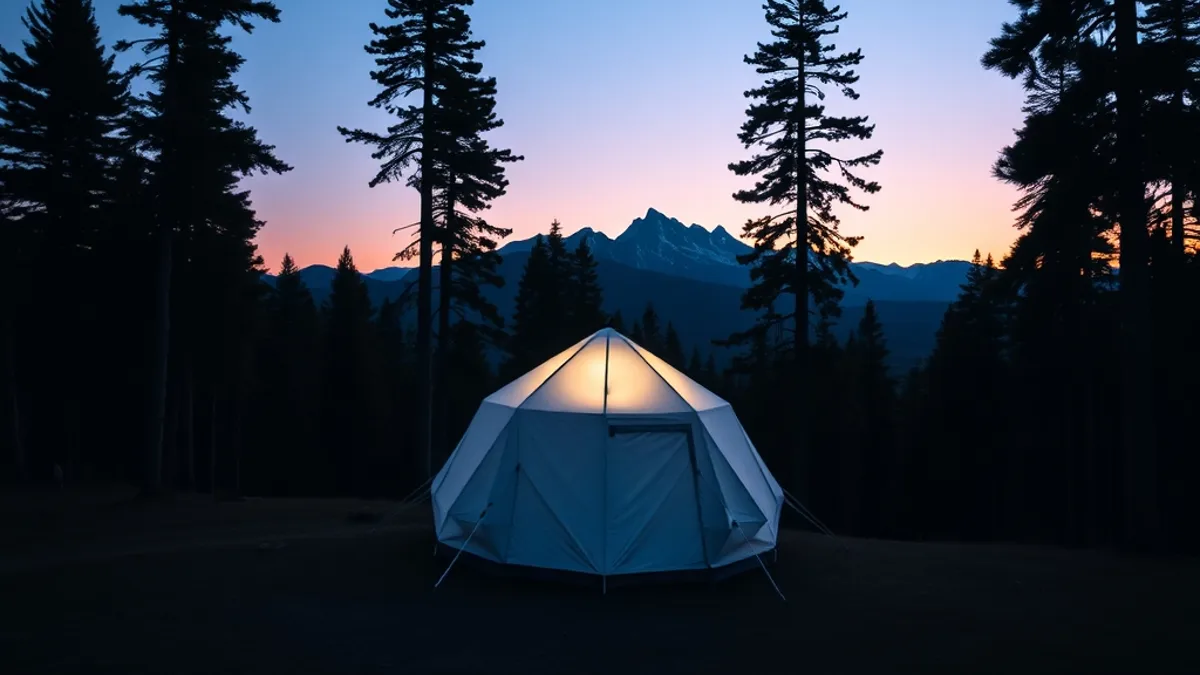
Dome tents take a third approach: a geodesic half-sphere that sheds wind far better than any flat-walled structure. Large transparent panels turn the whole ceiling into a window, which is why domes dominate stargazing sites, aurora destinations, and exposed ridgelines with panoramic views.
The quick decision rule
If you are heading somewhere hot and dry, a safari tent will give you the most space and comfort. If your destination is a cold mountain region, a yurt’s insulation is hard to beat. And if your site is exposed to strong wind, or the whole point of the trip is lying in bed watching the sky, book a dome. Match the structure to the climate first, then look at price and styling.
Safari Tents: Space and Veranda Living
Safari tents are the roomiest option of the three, with floor space typically between 40 and 70 m². That is genuinely hotel-scale living: many have a separate bedroom or two, an en-suite bathroom with a proper shower, and a shaded veranda furnished with chairs or a daybed. If you like the idea of watching wildlife from your own terrace with a coffee in hand, this is the tent type built for it.
When a safari tent works best
These structures are designed for dry, warm conditions, which is why they dominate savanna and bush destinations during the dry months of roughly May to October. The canvas walls breathe well in heat, keeping the interior noticeably cooler than a sealed room would be. That same breathability becomes a weakness in wet weather, though, and canvas is not made to handle heavy rain or snow. Before booking, check when the wet season falls at your destination and plan around it.
What to expect at checkout
Space and comfort come at a price. In peak season, safari tent rates typically run between €250 and 600 per night, the highest of the three types. You are paying for square meters, private facilities and often a prime location inside or next to a reserve, so compare what is included before you commit.
Yurts: Round Walls and Cold-Season Comfort
Yurts trace their design back to the nomadic homes of Central Asia, and that heritage shows in how well they handle cold. The round lattice walls are wrapped in thick felt or canvas insulation, which keeps the interior comfortable across a wide temperature range, from about -10°C on frosty nights up to around 25°C on milder days. Many sites add a wood stove for extra warmth, so you can wake up warm even when there is snow outside.
Most yurts span 20-35 m², which is plenty for a couple or a small family. The signature feature is the central dome skylight at the top of the roof. Lie in bed and you can watch the stars drift past, a small luxury that feels especially magical in mountain regions where light pollution is minimal. The round shape also gives the space a cozy, enclosed feel that rectangular tents often lack.
Where a yurt makes the most sense
Choose a yurt for mountain and steppe destinations where nights turn cold, even in summer. They are a strong pick for shoulder-season alpine stays, when safari tents are too chilly and you want solid insulation under a proper roof structure. Think high valleys, plateau landscapes and foothill locations in Europe and Central Asia.
Price is another reason to consider one. Rates typically run around €120-250 per night, making yurts the most affordable of the three options. That leaves more budget for activities, meals or simply a longer stay. As always, check current rates and seasonal availability with the operator before booking, since prices vary by region and demand.
Dome Tents: Panoramic Windows and All-Weather Frames
Geodesic domes are the engineers’ answer to bad weather. The triangular panel structure of a half-sphere sheds wind and light snow far better than the flat walls of a canvas safari tent, which is why dome sites often sit on exposed ridgelines and high plateaus where other glamping structures would struggle. Most models measure 5-7 m across, giving you 15-30 m² of floor space inside.
That geometry comes with a bonus: walls that curve away from you and, in the best designs, transparent or windowed panels built right into the frame. From your mattress, the sky turns from dusk to full starfield without you ever stepping outside. For aurora hunting or alpine views, domes are the top pick of the three, and it is not close.
Winter stays other tents can’t offer
In alpine settings, domes are typically usable from around October through April, including deep winter months when canvas safari tents are packed away. If you want a snow-covered mountain escape under a clear night sky, a dome is often the only glamping option open, and destinations in the Carpathians have embraced the format. You can see how that looks in practice with these Bukovel snow retreats for winter escape and gentle comfort.
The condensation trade-off
The main drawback is moisture. Warm air inside a sealed dome meets the cold outer skin, and interior condensation is common on winter nights. Look for models with dedicated ventilation vents near the apex and, ideally, a wood stove — the steady heat keeps the interior dry and makes sub-zero mornings genuinely pleasant. Rates for domes typically run €150-350 per night, so check what heating setup is included before you book.
How to Choose by Season, Climate and Trip Style
Once you have narrowed things down by season and climate, the next filter is how you actually like to travel. Couples who want room to spread out, a private bathroom and a shaded spot for morning coffee will feel at home in a safari tent. Travelers watching their budget often find yurts hit the sweet spot: real beds, heating and frequently a wood stove, all at a lower nightly rate than the other two options. If an alpine stay with mountain views is the dream, browse these forest homes with alpine calm and soft morning light for inspiration on where a dome or yurt works beautifully.
Site exposure deserves just as much attention as interior style. On a windy coastal headland or a high-altitude plateau, a dome’s aerodynamic frame sheds gusts far better than the flat canvas walls of a safari tent or yurt. Ask the host what is fixed versus seasonal, too, because some dome and yurt sites close entirely during the wettest or coldest months of the year.
Before you pay a deposit, it helps to put a few practical questions to the operator:
- Ask about ground conditions: a dome on a raised wooden platform stays drier and warmer than one pitched directly on soil after rain.
- Match the window to the view: domes with transparent panels suit dark-sky or aurora sites, while safari tents with verandas suit sunrise and sunset viewing in warm climates.
- Consider group size: yurts typically sleep two to four people comfortably, so larger families may need to book two units rather than one shared structure.
- Confirm the essentials: heating, bathroom access and cooking facilities vary widely between sites, so verify exactly what is included in your rate.
Booking Tips: When to Reserve and What to Verify
Glamping sites are small, and the best units at any property are few. A camp with eight safari tents can be fully booked for summer before you have even picked your dates. The good news is that a little planning goes a long way, and the questions you ask before paying matter as much as when you book. Unlike hotels, most glamping properties cannot simply add another unit when demand rises, so availability is genuinely limited rather than a marketing line. The difference between a memorable stay and a disappointing one often comes down to details that never appear in the photos: how the unit is heated, where the bathroom is, and whether the tent sits on a deck or on bare ground. The six steps below cover what to check and when to book.
- Reserve safari tents 4-6 months ahead for July-August travel. Top camps in popular savanna and bush destinations sell out first, and the largest, best-positioned tents with the best views go earliest. If you want a specific tent or a specific week in peak season, treat the booking like a flight: lock it in as soon as dates are open.
- Book yurts and domes 2-3 months ahead for winter dates and holidays. These structures have longer availability windows than safari tents, so you can often find a spot closer to your travel date. Still, winter weekends, Christmas and New Year fill up quickly at alpine dome sites, and holiday periods rarely leave last-minute bargains.
- Verify heating and cooling before you pay. Ask specifically whether the unit has a wood stove, electric heating or air conditioning, and confirm it is included in the rate. A yurt rated for cold nights is only comfortable if the stove is actually lit for your arrival.
- Confirm private bathroom access. Some safari tents include an en-suite bathroom; others share a central washblock. The difference can completely change your experience, so ask rather than assume.
- Check whether the structure sits on a raised deck or directly on the ground. A decked tent stays drier, keeps insects out more easily and usually offers better views. Ground-set units can be muddier after rain.
- Compare total value, not just the nightly price. A €150 yurt with a wood stove and private bath can beat a €400 safari tent with shared facilities if you are traveling in cooler months. Weigh what is included against what you actually need.
One final habit worth adopting: email the property directly after booking to reconfirm the details you verified, especially heating and bathroom arrangements. Small sites occasionally reassign units, and a short message a few weeks before arrival gives you time to fix any surprises. When you write, keep a copy of the original listing or confirmation so you can point to exactly what was promised. It also helps to ask about arrival logistics at the same time, since remote glamping sites sometimes have unmarked access roads, limited check-in windows or instructions that only get sent on request. Check current rates and cancellation terms at the time of booking, since they change from season to season, and read the cancellation policy carefully before paying a deposit on a peak-season week.
The Right Tent for Your Next Glamping Trip
So, which tent suits you? If you’re traveling during the warm, dry months and want maximum space plus a veranda for lounging, a safari tent is the natural pick. If cold nights are part of the plan and budget matters, a yurt will keep you cozy when temperatures drop. And if you’re heading somewhere exposed or chasing panoramic views, a dome’s weather resistance and windows win out.
The biggest mistake is choosing from photos alone. Let the season and climate drive your decision first, then consider styling. Once your dates are set, book early: reserve safari tent stays 4-6 months ahead for peak July-August travel, and plan 2-3 months ahead for winter domes to secure the best options. If this helped you decide, leave a comment or share the article with a fellow traveler.