Everyone dreams of watching a leopard drape itself over a branch or a herd of elephants crossing the road at dawn. The tricky part is that peak wildlife viewing and peak booking demand happen at the same time. If you book safari lodges too late, the best camps in popular parks are often fully booked for the prime months. Book too early without a plan, and you can easily pay inflated rates or lock yourself into dates that don’t match the wildlife you actually want to see.
This guide walks you through why booking timing matters as much as choosing the lodge itself, and when to target East Africa’s dry season and Southern Africa’s dry months. We’ll also look at how green-season bookings can save money and change the experience, compare lead times and price ranges by lodge type, and help you match your booking date to the specific wildlife you hope to see—before wrapping up with a simple booking timeline you can follow.
Why Timing Your Booking Matters as Much as Picking the Lodge
Most travelers spend weeks comparing lodges and then book whenever it suits their schedule. That order gets things backwards. The lodges with the best positions, think riverfront decks or camps perched over a busy waterhole, are usually the first to fill during the dry season, when animals gather at limited water sources and game viewing is at its sharpest. By the time you get around to booking, the well-placed options are often gone, and you are left choosing from whatever remains.
Timing your booking is not just about snapping up a room before someone else does. It also shapes what you pay. Peak-season rates typically run 30 to 50 percent higher than green-season rates, and the gap widens as availability shrinks. Book inside the right window and you can still secure a prime camp at a fair price; leave it too late and you may pay a premium for a lesser location, or worse, find nothing that fits your dates at all.
Why Lodge Location Matters More in the Dry Season
In the dry months, wildlife concentrates around rivers, waterholes and other permanent water sources. A lodge sitting right on that water becomes dramatically more valuable than one a bumpy drive away, because the animals come to you. Guides at well-positioned camps often spend less time driving and more time watching behavior, which is the difference between ticking off species and actually experiencing them.
So when you plan, treat the booking date as part of the safari itself. The right window protects both your budget and your view of the waterhole.
When to Book Safari Lodges for East Africa’s Peak Season
East Africa’s dry season runs from June to October, and it’s the period most travelers picture when they dream of a safari: short grass, clear skies and animals gathered around predictable water sources. If your heart is set on the Great Migration, narrow that window to July through September, when the river crossings in the Masai Mara typically happen. These weeks deliver some of the most dramatic wildlife action on the continent, and everyone else knows it too.
That demand shapes how far ahead you need to book. For lodges and camps positioned near migration routes, aim for 9 to 12 months in advance. Many of the most atmospheric properties are small, intimate camps with only 8 to 15 rooms, so a single family reunion or a few group bookings can swallow a big share of the calendar. Waiting until six months out often means settling for a camp farther from the action or paying a premium for someone’s cancellation.
Why June and October Deserve a Second Look
The shoulder months of June and October are quietly excellent. Wildlife viewing remains strong because the dry conditions still concentrate animals, yet rates tend to sit slightly below the July to September peak, and camps have more open dates. If your schedule allows even a week of flexibility, ask operators to quote both versions of your trip. The savings can cover an extra night or a hotter-air balloon upgrade.
Once your dates are set, don’t forget the practical side of the trip. Comfortable lodging before and after your safari matters more than people expect, and starting safari mornings from a base of real comfort makes those 5 a.m. wake-up calls far easier, as covered in this guide to hotels that set you up for great safari mornings.
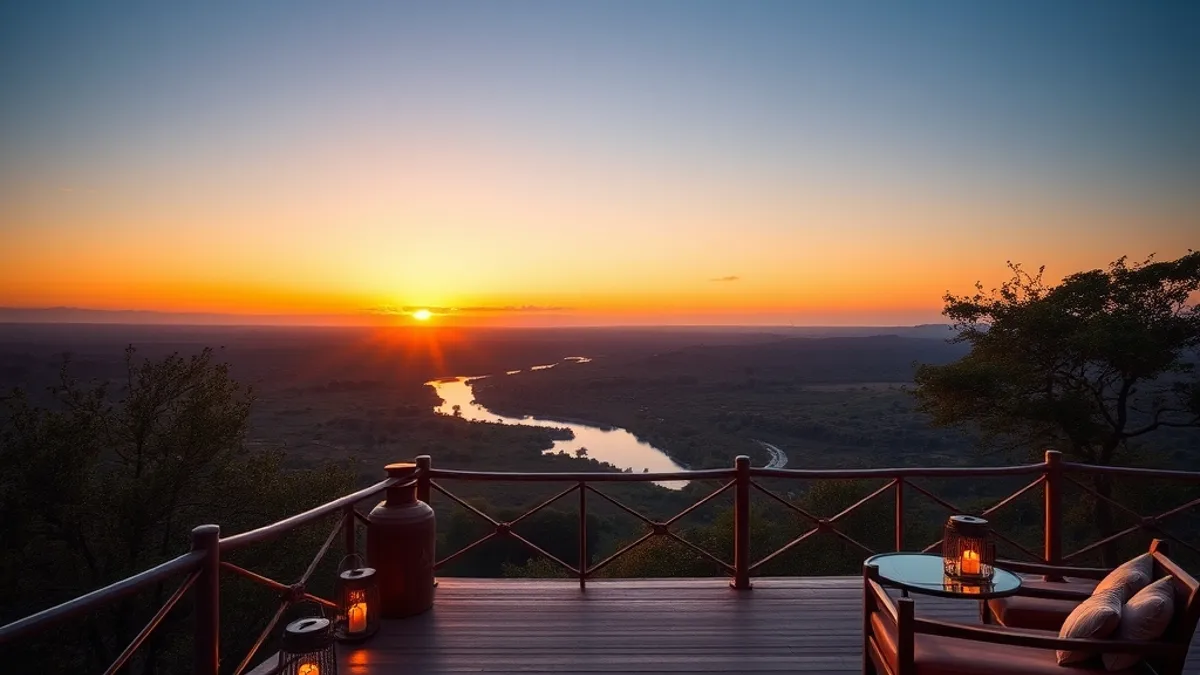
Best Booking Windows for Southern Africa’s Dry Months
Southern Africa’s dry season runs from May to October, and the sweet spot for game viewing lands in August to October. By those late dry months, water sources have shrunk dramatically, so elephants, buffalo, and predators gather in dense numbers around remaining waterholes and rivers. If your priority is sheer volume of wildlife sightings, target these months first and work backwards from there when choosing your booking date.
Water-based safaris in the Okavango Delta
The Okavango Delta follows its own rhythm. Floodwaters from the Angolan highlands arrive months after the rains, peaking around June to August. That’s when mokoro excursions and boat-based camps operate at their best, gliding through channels that are impassable later in the dry season. If a water-centric Delta experience is your goal, aim for June to August travel dates rather than the late dry months that favor land-based game drives.
For Botswana and South Africa lodges, the booking window is slightly more forgiving than East Africa’s. Reserve six to nine months ahead for peak dry-season dates. Small, high-demand camps in the Delta and private reserves still fill early, so if you have your heart set on a specific property, lean toward the nine-month end of that range. For help choosing where to stay, this guide to resorts in Botswana for safari serenity and tailored comfort covers lodges suited to the Delta’s water season.
How Green-Season Bookings Save Money and Change the Experience
If your travel dates are flexible, the green season from November to March is where the real savings sit. Rates during these months drop substantially below peak-season prices, which can turn a lodge that felt out of reach in July into a realistic option. The same budget might buy you a longer stay, a better room category, or a camp you would otherwise skip entirely.
The wildlife trade-off is not what many first-time safari travelers fear. Yes, the grass is taller and afternoon rains roll in, but the green season delivers something the dry months cannot: babies. When wildebeest and zebra drop their young on the southern Serengeti plains, thousands of newborns arrive within a few weeks. Where there are newborns, predators are active, so lion, cheetah and hyena sightings can be frequent and dramatic. Photographers who know this often prefer green-season light, too, with dramatic skies and fewer vehicles sharing a sighting.
That said, green season is not peak season with a discount attached. It is a genuinely different experience, and it helps to go in with clear expectations:
- Afternoon rains shape your day. Showers often arrive in the afternoon rather than lasting all day, so many camps plan early morning and late afternoon drives around them, with downtime at camp during the wettest stretch.
- Taller grass makes spotting harder. Thick vegetation gives animals more cover, so your guide may work harder to find them, and sightings can be closer to the vehicle rather than at long distance across open plains.
- Some lodges close entirely. In the wettest months, a number of camps, especially those on black-cotton soil or in remote areas, shut down for maintenance, so your green-season lodge list may be shorter than the dry-season one.
- Roads and airstrips can slow you down. Rain-affected tracks mean longer transfer times between camps, so it pays to build extra buffer into your itinerary rather than packing moves back to back.
- Green season suits certain lodge styles better. If you want space and quiet over nonstop game drives, a private villa-style property can be a strong fit, and you can read more about that in our guide to safari villas built for wildlife proximity and deep personal comfort.
Before committing to green-season dates, confirm which camps are open and ask your operator how the specific weeks you are considering behave in the region you plan to visit. Rainfall patterns vary from park to park, and a January week in one reserve can feel very different from the same week in another.
Booking Lead Times and Price Ranges by Lodge Type
How Different Lodge Types Fill Up and What They Charge
Not every safari lodge follows the same booking rhythm, and knowing which type you are dealing with helps you plan realistically. Small, exclusive camps with only a handful of rooms fill up fastest, and they are usually the ones travelers want most during peak wildlife months. For these properties, you need to commit far in advance if your travel dates are fixed — think close to a year out rather than a few months.
Larger lodge properties work differently. With more rooms to sell, they typically have availability 3 to 6 months out, which makes them a good fit for travelers who plan on shorter notice. The catch is that peak dates, especially July to September, fill much faster than the rest of the calendar, so treat that window as if it demanded a longer lead time even at bigger properties.
Price is the other half of the equation. Peak-season rates typically run 30 to 50 percent above green-season rates, so shifting your trip by even a few weeks can meaningfully cut costs. If your schedule allows flexibility, ask lodges about shoulder dates before locking in the most expensive weeks.
- Some small camps release space to international booking partners before opening their own calendars, so an operator can sometimes confirm a room earlier than you could booking direct.
- Family-run or owner-managed camps occasionally hold a room or two for late inquiries, worth asking about if you are inside the standard booking window.
- Larger lodges sometimes offer free cancellation or reduced deposits for bookings made far in advance, which lets you secure peak dates early without full financial commitment.
- If you must book inside 3 months, consider green-season dates instead, where availability is wider and the rate savings help offset a shorter planning window.
How to Match Your Booking Date to the Wildlife You Want
Before you lock in any lodge, get specific about what you actually want to see. “A safari in peak season” is too broad; “watching wildebeest cross the Mara River” or “seeing newborn antelope on the calving grounds” gives you a real target. Once you know the species or event, everything else falls into place, from the region you choose to how far ahead you book.
- Pick your target species or event first. The Great Migration river crossings in the Masai Mara happen roughly July to September. Okavango Delta floodwaters peak around June to August, which is when water-based camps are at their best. Calving season, with its newborn animals and concentrated predator activity, unfolds on the short-grass plains of the southern Serengeti in the first weeks of the year. Choose one of these anchors before you look at a single lodge.
- Work backwards from that event to your booking window. If your target is a peak-season spectacle like the migration, count back a full year from your travel dates. The most sought-after camps near these events fill their calendars early, so a July trip means enquiring the previous July or August, not the spring before.
- Check the lodge’s location against seasonal animal movement. A camp that sits perfectly for river crossings in August can be far from the herds in January. Ask the lodge or your operator where the animals typically are during your exact dates, and confirm the camp’s position matches the movement patterns for that month before you commit.
This approach also protects you from a common mistake: booking a beautiful lodge at a great price, then discovering the wildlife you came for has moved on. A camp’s website can make any month look appealing, so push for specifics about animal activity during your travel window. Ask which species are typically present, whether herds or predators are nearby, and what the light and grass conditions look like at that time of year. If a lodge or operator hesitates to tell you what you will realistically see in that month, treat that as useful information and keep looking. A confident, specific answer is often the best sign that the camp knows its own backyard and books guests into the right dates rather than just any dates.
Wrapping Up Your Safari Lodge Booking Timeline
Timing a safari lodge booking comes down to one simple trade-off: the months with the best wildlife viewing are the same months everyone wants. Across East and Southern Africa, the dry season concentrates animals around water, which is exactly why lodges fill up and rates climb. Booking 9 to 12 months ahead is the reliable way to secure a well-positioned camp for those peak dates, while green-season trips offer the same landscapes at 30 to 50 percent less if you can handle some rain and taller grass.
The easiest approach is to work backwards from the wildlife moment you care about most, whether that is the migration river crossings or the Delta floods, and then lock in your dates within the right booking window. Do that, and you avoid both the inflated last-minute rates and the disappointment of a sold-out lodge. If this helped you plan your trip, leave a comment or share the article with a fellow traveler.