Choosing where to stay in Lisbon is trickier than it looks, because the city’s three most appealing neighborhoods feel completely different—and picking the wrong one can turn a great city into a daily uphill walk. Baixa is flat and central, Alfama tumbles down steep, maze-like hills, and Belém sits quietly by the river well west of the center. Each works brilliantly for the right traveler and frustrates the wrong one.
This guide breaks down all three, starting with Baixa’s flat streets and easy first-visit convenience, then Alfama’s old-world atmosphere on Lisbon’s steepest hills, and finally Belém’s riverside calm near the famous monuments. We’ll also help you match a neighborhood to your trip style, cover the best time to book and visit each one, compare getting around from each base, and wrap up with a simple way to make your final call. By the end, you’ll know exactly which base fits your Lisbon plans.
Baixa: Flat Streets, Central Convenience, and Easy First Visits
Baixa is Lisbon at its most practical. Rebuilt after the 1755 earthquake on a strict grid, the district stretches between Rossio and Praça do Comércio on flat, straight streets that make walking genuinely easy. You can cross the whole area on foot in roughly 10-15 minutes, and there are no hills to fight, which matters more than you might think after a full day of sightseeing.
For first-time visitors, this is usually the smartest base. Most of the central sights, cafés, and shops sit within a short stroll, and you’re steps from the city’s main transport hub. Metro lines, buses, the famous trams, and trains to Sintra and Cascais all converge here, so day trips and airport transfers stay simple. If your flight lands late or you’re only in town for two or three nights, that convenience is hard to beat.
What to expect from the surroundings
The trade-off is charm. Baixa is the city’s commercial center, so expect pedestrian crowds, chain shops, tourist menus, and a busier feel well into the evening. The architecture is orderly rather than picturesque, and the atmosphere is more functional than romantic. Travelers who prioritize location and easy logistics over character tend to be happiest here; those seeking old-world atmosphere are usually better served elsewhere.
Prices reflect the demand. In the shoulder-season months of April-May and September-October, central hotels in Baixa typically run €90-180 per night, rising to €150-300+ during the June to September high season. Booking 2-3 months ahead is advisable for summer stays, since the most conveniently located rooms go first.
Alfama: Old-World Atmosphere on Lisbon’s Steepest Hills
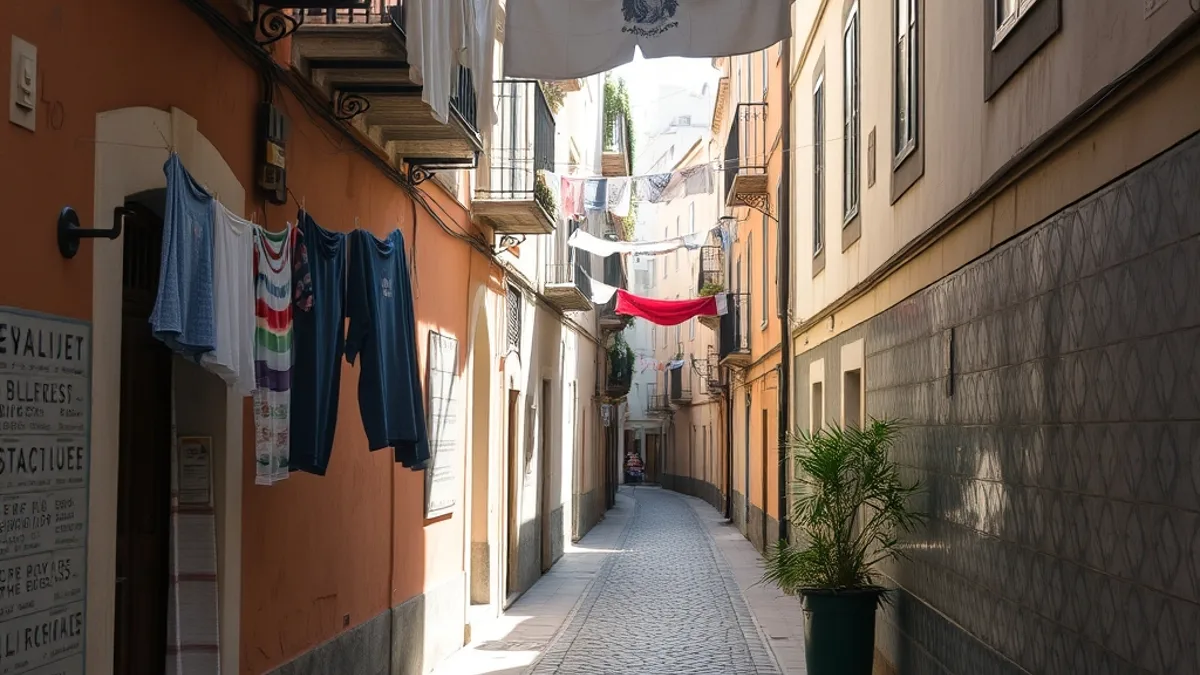
Alfama is Lisbon at its most atmospheric. This is the city’s oldest district, a medieval maze of narrow lanes that survived the 1755 earthquake, where laundry hangs between azulejo-tiled facades and every few corners seems to reveal a miradouro (viewpoint) looking out over the rooftops to the Tagus. Fado music drifts out of tiny taverns in the evening, and the whole neighborhood feels more like a village than a district of a capital city.
The Hills Are Real
Walking downhill from Alfama to Baixa takes around 15-25 minutes, but the climb back up is steep and winding, especially in summer heat. Pack light if you’re staying here, and plan your sightseeing so you descend in the morning and use transport for the return. Your knees and your suitcase wheels will thank you.
Despite the car-free lanes, Alfama isn’t cut off. Tram 28 rattles right through the neighborhood on its famous route across the city, and the Santa Apolónia metro and train station sits at the bottom of the hill, giving you connections into the wider network. Check current tram crowding with your hotel, as Tram 28 is popular at peak times.
Alfama is best for couples and atmosphere-seekers who value character over convenience. It’s quieter at night than the central districts, with small restaurants and fado houses rather than busy bar streets, though some travelers may find it feels isolated after dark. If you want that old-world, lived-in feeling and don’t mind earning your views with a climb, this is the neighborhood for you.
Belém: Riverside Calm and Monument-Landmarks Away from the Crowds
Belém sits along the Tagus River about 6-7 km west of central Lisbon, and the journey there is part of its appeal. The ride from Baixa takes roughly 15-20 minutes by tram or train, with views of the water for much of the way. It feels like a proper mini-excursion rather than a commute, which is exactly the rhythm that suits this neighborhood.
This is the district where Lisbon’s most famous landmarks cluster together. The Jerónimos Monastery, with its intricate Manueline stonework, and the Belém Tower standing in the river draw visitors from all over the world. Between them, you’ll find wide riverfront parks and promenades that invite slow walks and picnic afternoons. The area is green, calm, and noticeably quieter once the day-trippers head back to the center in the late afternoon.
Who Belém Works Best For
Belém makes the most sense for travelers staying several days who want a peaceful base and don’t mind commuting into the center for evening plans or additional sightseeing. If you’re returning to Lisbon for a second or third visit, or you simply prefer river air and open space over being in the middle of the action, this is your spot. What you give up is nightlife and spontaneous city energy; after dark, options here are limited, so plan dinners and evenings accordingly.
One practical note deserves emphasis: hotel options in Belém are far fewer than in Baixa or Alfama, so the limited stock fills quickly. That makes early booking even more important here than in the central districts, particularly for summer stays. If you wait until a few weeks out in high season, you may find the pickings slim or the prices well above what the quieter location would suggest. Check current availability early and lock in your room before the calendar fills.
How to Choose Where to Stay in Lisbon Based on Your Trip Style
If it’s your first visit and you only have two or three days, Baixa is the practical pick. You can step out of your hotel and be at most major sights within minutes, and the flat streets mean you spend your energy sightseeing rather than climbing. For a short stay, that efficiency matters more than atmosphere.
Couples and slower-paced travelers usually fall for Alfama instead. The old lanes, tiled facades, and miradouros give you that postcard Lisbon feeling, and evenings come with fado drifting out of small taverns. Just remember the hills: going down is easy, coming back up is not, so pack light and pace yourself.
Staying a week or returning to Lisbon? Belém starts to make sense. You get river air, green space, and a calmer, more residential rhythm, while the tram or train keeps the center within easy reach whenever you want it. It feels less like a tourist base and more like actually living in the city, with locals going about their mornings around you.
The real trick is matching the neighborhood to your daily plan rather than hunting for a single “best” area. A quick checklist can help you decide:
- Short trip, sightseeing-heavy: Baixa puts you within walking distance of the main downtown sights, so you lose almost no time in transit between stops.
- Romantic escape: Alfama’s evening fado houses and sunset viewpoints turn even a simple dinner into a memorable night out.
- Week-long or repeat stay: Belém gives you morning runs along the riverfront and easy access to the Jerónimos Monastery before day-trippers arrive.
- Mixed itinerary: Consider splitting your stay, starting centrally in Baixa and finishing in quieter Belém for a change of pace.
- Traveling with luggage or limited mobility: Flat Baixa removes the strain of hauling bags up steep, cobbled lanes.
Best Time to Book and Visit Each Neighborhood
Shoulder Seasons Give You the Best Value
Lisbon is at its most pleasant in the shoulder months, when the weather stays mild and the summer crowds have thinned out. These windows also bring the softest hotel rates across the central neighborhoods, so you get the same streets, views, and pastries for noticeably less money and far less jostling. If your dates are flexible, this is the sweet spot for booking a stay in any of the districts covered above.
Summer is high season, and the difference is easy to feel. Rates climb sharply, and Baixa and Alfama see their heaviest foot traffic, especially around the main sights and tram stops. July and August are the hottest and busiest months, so if you are sensitive to heat or crowds, aim for the edges of the season instead.
How Far Ahead to Book
For a summer stay, plan to reserve well in advance. This matters most for the smaller guesthouses in Alfama, which have only a handful of rooms, and for Belém, where the limited hotel stock can fill up early despite the district’s calmer setting. Baixa has more inventory, but the best-value rooms still go first, so earlier is always safer than later.
Winter is the budget traveler’s window. Rates drop to their lowest levels of the year, and the city takes on a moody, local feel that many repeat visitors prefer. Expect some cool and rainy days, and pack a waterproof layer, but you will often have the miradouros and cafés almost to yourself.
Getting Around from Each Base
Getting around is where these three neighborhoods really differ, and it should weigh heavily on your choice. From Baixa, most central sights sit within an easy stroll, and when your legs need a break, the metro, trams, and buses are all at your doorstep. Baixa also works well as a base for day trips: trains to Sintra leave from Rossio station, and Belém is a short ride west along the river.
Alfama demands more planning. The lanes are too narrow for most buses, so you’ll lean on Tram 28 and the metro at Santa Apolónia station, which also handles some intercity trains. Above all, bring comfortable shoes with good grip—the cobblestones are slick when wet, and the hills are unforgiving after a long day of sightseeing.
Belém is the quietest to sleep in but the least central. You’ll rely on the Cascais-line train or tram 15E to reach the center, so it rewards travelers who plan their days around a morning departure and a later return rather than popping back to the hotel midday.
- Buy a rechargeable transit card on arrival. A Viva Viagem card works on metro, trams, and the Santa Apolónia trains, and saves you from buying single tickets each ride.
- Ride Tram 28 early in the day. It fills up quickly through Alfama, so boarding near its eastern terminus in the morning usually means a seat and space for your bag.
- Validate the direction on the Cascais line. Trains from Belém run toward Cais do Sodré for the center—check the destination board before hopping on.
- Watch your belongings on crowded trams. Tram 28 and tram 15E are popular with visitors, so keep phones and wallets secured in front pockets or a zipped bag.
Wrapping Up Your Lisbon Neighborhood Choice
So, which Lisbon neighborhood is right for you? If you want flat streets, easy transport, and everything within walking distance, Baixa makes the most sense. If atmosphere matters more than convenience, and you don’t mind a steep climb home, Alfama rewards you with old-world charm. And if you prefer calm, green riverside surroundings and don’t mind a 15-20 minute ride into the center, Belém is your match.
Whichever area you lean toward, booking 2-3 months ahead and aiming for the shoulder months of April-May or September-October will get you the best combination of rates and weather. The right choice ultimately comes down to how long you’re staying, how much walking you’re up for, and how central you want to be. If this guide helped you decide, leave a comment or share it with a fellow traveler planning a Lisbon trip.